Pressure, Risk, and the Future of Water
Fresh Start does not exist in isolation.
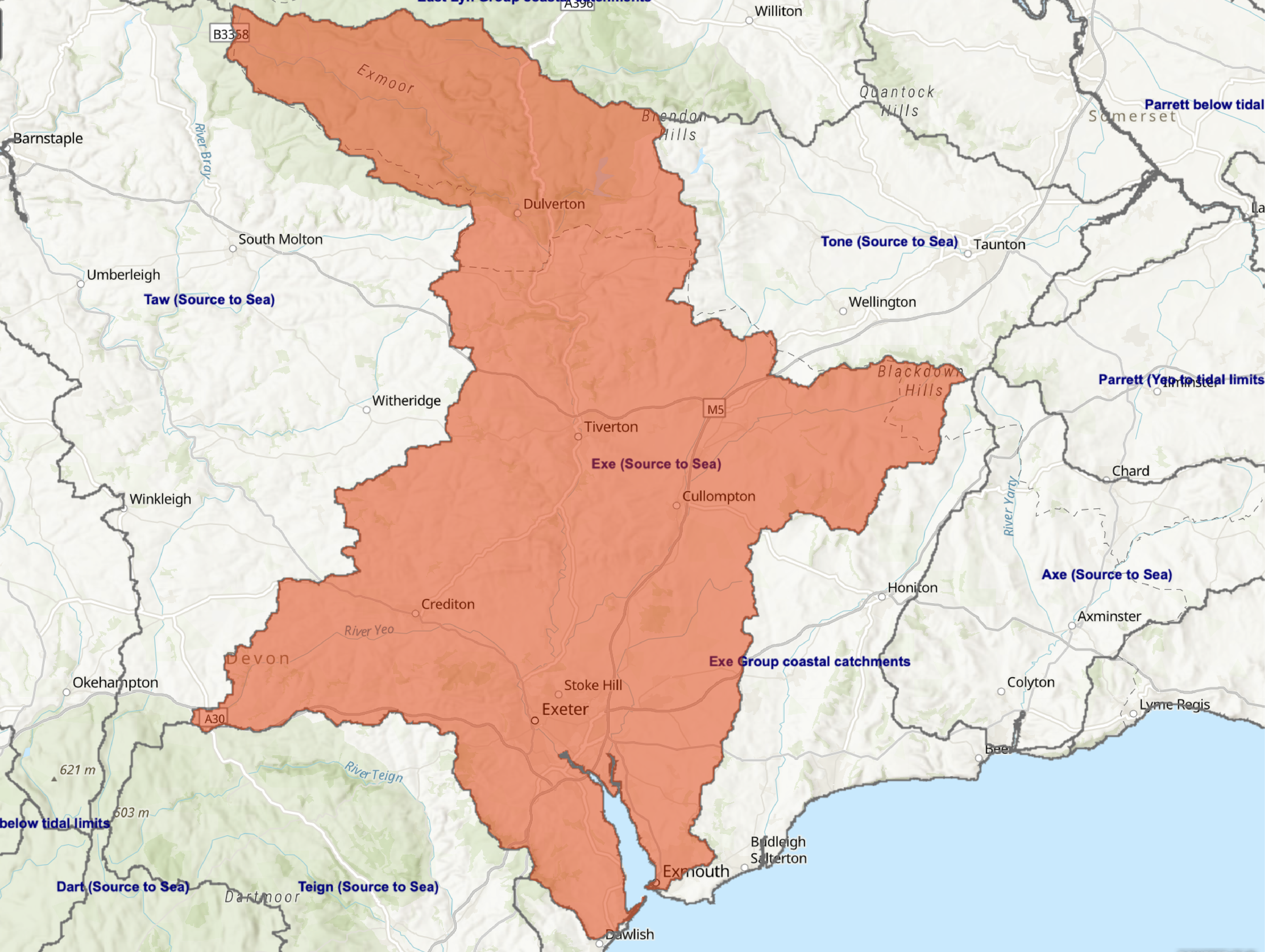
Wildwood Grove sits within a growing network of documented environmental pressures, water-system risks, climate pressures, infrastructure strain, and catchment-level challenges already recognised by regulators, water companies, environmental organisations, planning authorities, and national policy frameworks.
This is not theoretical pressure.
It is mapped, monitored, regulated, and increasingly visible across the wider water system.
The site sits within:
• Drinking Water Safeguard Zones
• Diffuse Water Pollution from Agriculture priority areas
• High Groundwater Vulnerability zones
• Flood Risk Management priority areas
• Surface Water Flood Susceptibility zones
• Catchment Flashiness and rapid runoff pathways
• Water Framework Directive ecological and chemical pressure areas
• Nutrient loading pathways
• Sediment delivery systems
• Climate resilience pressure zones
• Nature Recovery Network opportunity areas
• and wider catchment systems already identified as being under environmental strain
At the same time, the wider water system faces increasing pressure from:
• flooding
• drought
• infrastructure overload
• diffuse pollution
• nutrient enrichment
• biodiversity decline
• water treatment burden
• climate instability
• ageing drainage and sewer systems
• increasing development pressure
• and rising demand for long-term water security
These pressures are not separate problems.
They are connected outcomes of how water moves through the landscape.
Many of the environmental and infrastructure challenges now emerging downstream begin much earlier in the catchment system itself.
Headwaters matter because beginnings matter.
When upland systems are heavily drained, compacted, simplified, accelerated, polluted, and disconnected from their natural hydrological function, pressure does not disappear.
It moves downstream.
Rapid runoff increases hydraulic pressure on already stretched flood and drainage infrastructure.
Sediment and diffuse contaminants move more quickly through catchments.
Natural filtration and retention processes are reduced.
Water reaches rivers, treatment systems, and infrastructure networks faster, carrying greater environmental burden along the way.
Over time, this contributes to wider system instability.
This is why Fresh Start focuses upstream.
Not because headwaters solve every downstream problem alone, but because functioning headwater systems form part of the wider environmental foundation upon which healthier catchments depend.
Fresh Start therefore explores how restoring wetland function, reconnecting natural hydrological processes, and reducing runoff acceleration at source may help support:
• integrated catchment resilience
• improved water quality
• reduced sediment and diffuse pollution transport
• natural flood management
• water retention and climate resilience
• biodiversity recovery
• healthier ecological function
• and reduced pressure on downstream infrastructure systems
This is increasingly aligned with the wider national transition toward:
• preventative intervention
• catchment-scale planning
• integrated water management
• Nature-Based Solutions
• environmental resilience
• long-term water security
• and future environmental infrastructure thinking
Fresh Start is not positioned as a single-site solution to national environmental pressures.
It is positioned as a monitored operational framework exploring how suppressed upland systems may contribute to wider environmental resilience when natural processes are allowed to function more effectively again.
This distinction matters.
Because across the country, many landscapes now sit within overlapping systems of:
• flood pressure
• diffuse pollution
• habitat degradation
• hydrological modification
• infrastructure strain
• agricultural runoff
• water-quality decline
• and climate vulnerability
Wildwood Grove is one example of this wider condition.
Fresh Start asks what happens when these pressures are approached not only through downstream engineering and reactive repair, but through monitored upstream restoration, environmental process recovery, and integrated catchment thinking.
The initiative therefore transforms from:
a local restoration project
into:
a scalable framework for environmental resilience rooted in hydrology, monitoring, prevention, and natural-process recovery.
At its deepest level, Fresh Start is built on a simple principle:
If pressure enters the system upstream, resilience can begin there too.
And in a future increasingly defined by water stress, climate pressure, infrastructure strain, biodiversity decline, and environmental instability, restoring healthier beginnings may become one of the most important interventions of all.