Wildwood Grove
Upland Agriculture at the Source of the River Exe Catchment
A historically drained agricultural headwater landscape operating at the very beginning of the water journey.
Now participating in the transition toward upstream resilience, integrated catchment management, and monitored Nature-Based Solutions within the wider Exe Catchment.”
THE WHITE PAPER & A NEW VISION FOR WATER
Wildwood Grove operates as an agricultural headwater landscape at the very beginning of the River Exe catchment.
As the UK water-management transition continues to evolve through Defra’s Water White Paper, integrated catchment management, upstream resilience planning, and Nature-Based Solutions (NbS), agriculture is increasingly recognised as a named participant within the wider connected water system.
Across the River Exe catchment, many downstream pressures are increasingly linked to upstream agricultural landscapes through:
• historic agricultural drainage,
• accelerated runoff,
• diffuse pollution,
• hydrological simplification,
• sediment movement,
• infrastructure interaction,
• and reduced natural water retention within headwater systems.
These pressures increasingly affect:
• water quality,
• flood risk,
• infrastructure strain,
• treatment complexity,
• ecological resilience,
• environmental compliance,
• and long-term catchment planning downstream.
As agricultural landowners operating within this connected Exe Catchment system, we recognised the importance of fully understanding both the pressures and the direction of the transition now emerging across UK water management.
Importantly, this transition is not focused on agriculture alone.
The White Paper increasingly recognises that long-term River Exe catchment resilience requires coordinated cross-sector participation involving:
• water companies,
• infrastructure operators,
• transport,
• developers,
• regulators,
• environmental organisations,
• landowners,
• and wider operational stakeholders operating within the same connected system.
INTRODUCING FRESH START
In response, we created Fresh Start.
Fresh Start is a monitored upstream operational participation platform operating at the very beginning of the water journey within the River Exe catchment.
The platform was created to support practical cross-sector participation aligned with:
• integrated catchment management,
• upstream resilience,
• Nature-Based Solutions (NbS),
• preventative intervention,
• operational visibility,
• and evidence-led environmental planning.
Fresh Start provides organisations with:
• transparent monitoring visibility,
• longitudinal environmental intelligence,
• measurable upstream observation,
• operational resilience insight,
• and participation within a real-world monitored catchment environment.
Rather than promising predetermined outcomes, the platform focuses on generating:
• transparent real-world evidence,
• hydrological intelligence,
• preventative intervention understanding,
• and measurable longitudinal monitoring over time.
WHY THIS SITE DELIVERS CLEAR, ACTIONABLE INTELLIGENCE
Fresh Start is deliberately structured to provide unusually clear operational visibility within a monitored upstream agricultural environment in the River Exe catchment.
100% outright ownership
Full control over land use, monitoring continuity, operational access, and staged intervention without fragmented ownership complexity.
Uninterrupted source-to-exit monitoring
One spring, one continuous watercourse, and three fields of historically drained agricultural land create a rare low-complexity monitoring environment capable of generating clean longitudinal environmental intelligence from the very beginning of the water journey through to the downstream pathway.
A practical and scalable intervention model
This is not a proposal to convert entire agricultural regions into wetlands.
Instead, Fresh Start explores how targeted intervention within strategically important upstream agricultural fields may help reduce downstream pressure, infrastructure strain, and treatment complexity across the wider River Exe catchment over time.
The platform therefore provides:
• measurable upstream visibility,
• operational resilience insight,
• transparent environmental intelligence,
• longitudinal monitoring continuity,
• and evidence-led catchment understanding.
The value of the platform is not prediction.
The value is transparent real-world operational evidence generated through longitudinal monitoring within a controlled upstream agricultural system.
WHY ORGANISATIONS PARTICIPATE
2026–2027 BASELINE PHASE
Fresh Start is currently entering its foundational operational phase within a controlled source-to-exit agricultural headwater system in the River Exe catchment.
The current baseline phase is focused on:
• rainfall monitoring,
• runoff observation,
• hydrological response analysis,
• flow monitoring,
• water retention observation,
• telemetry deployment,
• dashboard infrastructure,
• and longitudinal environmental intelligence generation.
The platform is now onboarding a limited number of founding participants aligned with:
• upstream resilience,
• integrated catchment management,
• preventative intervention,
• operational monitoring,
• environmental intelligence,
• and cross-sector catchment participation.
Founding participation directly contributes toward the development of:
• monitoring infrastructure,
• telemetry systems,
• hydrological observation capability,
• longitudinal reporting systems,
• operational field monitoring,
• environmental intelligence generation,
• and staged upstream resilience observation over time.
During this early operational phase, participation is intentionally limited in order to maintain:
• structured onboarding,
• operational clarity,
• monitoring continuity,
• participation visibility,
• and long-term observational consistency during platform development.
Fresh Start is designed to operate as a transparent monitored participation environment within the evolving future direction of River Exe catchment resilience, integrated catchment management, and upstream operational planning.
WHO THE PLATFORM IS FOR
Fresh Start is structured to support participation from organisations whose responsibilities, risks, investments, operations, or objectives are connected to water.
Water Utilities
Participating in evidence generation around catchment resilience, Nature-Based Solutions, preventative intervention, and upstream planning.
Infrastructure Operators
Participating in understanding how upstream hydrological behaviour may influence wider infrastructure pressures and long-term resilience.
Technology & Telemetry Providers
Participating in monitoring development, environmental intelligence generation, and operational visibility.
Universities & Researchers
Participating in longitudinal observation, monitoring, evidence generation, and applied catchment research.
Regulators & Environmental Organisations
Participating in transparent observation, catchment learning, and preventative intervention understanding.
Developers & Insurers
Participating in resilience observation, risk understanding, and catchment intelligence generation.
Agricultural Organisations & Landowners
Participating in the practical role agriculture can play within the future direction of integrated catchment management.
The purpose is not to promote predetermined answers.
The purpose is to create a practical participation environment where evidence can be generated collaboratively.
THE PROBLEM
Across the River Exe catchment, many downstream water-system pressures begin upstream through:
• accelerated runoff,
• historic agricultural drainage,
• hydrological simplification,
• diffuse pollution,
• sediment movement,
• and the loss of natural water retention within agricultural landscapes.
These pressures increasingly affect:
• water quality,
• flood risk,
• infrastructure strain,
• treatment complexity,
• ecological resilience,
• environmental compliance,
• and long-term catchment management downstream.
Downstream water companies, infrastructure operators, regulators, developers, and communities within the wider River Exe catchment are already operating under increasing environmental and operational pressure.
Environment Agency analysis identifies agricultural sources including livestock, slurry, fertiliser runoff, sediment movement, and drained compacted land as major contributors to wider water-quality pressures across the Exe area.
Historically drained headwater systems can rapidly transport water, sediment, and pollutants downstream while increasing pressure on river systems, infrastructure networks, treatment processes, and estuary environments further downstream.
Fresh Start therefore operates as a monitored upstream participation environment exploring whether restoring natural hydrological function — including slowing runoff, increasing retention, and supporting wetland re-expression through targeted Nature-Based Solutions — may improve wider connected River Exe catchment resilience over time.
The platform is designed to generate transparent operational evidence around preventative upstream intervention at the very beginning of the water journey.
WHY ORGANISATIONS ARE PAYING ATTENTION
Across the UK, water utilities, infrastructure operators, regulators, developers, insurers, environmental organisations, and landowners are increasingly shifting toward:
• preventative intervention,
• integrated catchment management,
• upstream resilience,
• Nature-Based Solutions,
• operational visibility,
• open monitoring,
• and cross-sector coordination.
As environmental, regulatory, and infrastructure pressures continue to increase across catchments such as the River Exe, organisations are under growing pressure to improve:
• resilience understanding,
• environmental accountability,
• infrastructure planning,
• operational visibility,
• and evidence-led decision-making.
This is increasing demand for monitored upstream operational environments capable of generating:
• longitudinal environmental intelligence,
• hydrological understanding,
• resilience insight,
• infrastructure visibility,
• and transparent real-world operational evidence over time.
Fresh Start operates as a practical upstream participation environment already aligned with this evolving direction of River Exe catchment resilience, integrated catchment management, and preventative upstream planning.
THE OPERATIONAL ENVIRONMENT
Fresh Start operates as a controlled source-to-exit monitored agricultural headwater system within the River Exe catchment.
The operational environment includes:
• spring-fed headwater flow,
• historic agricultural drainage,
• upland grazing land,
• monitored runoff pathways,
• defined downstream connectivity,
• and longitudinal environmental monitoring infrastructure.
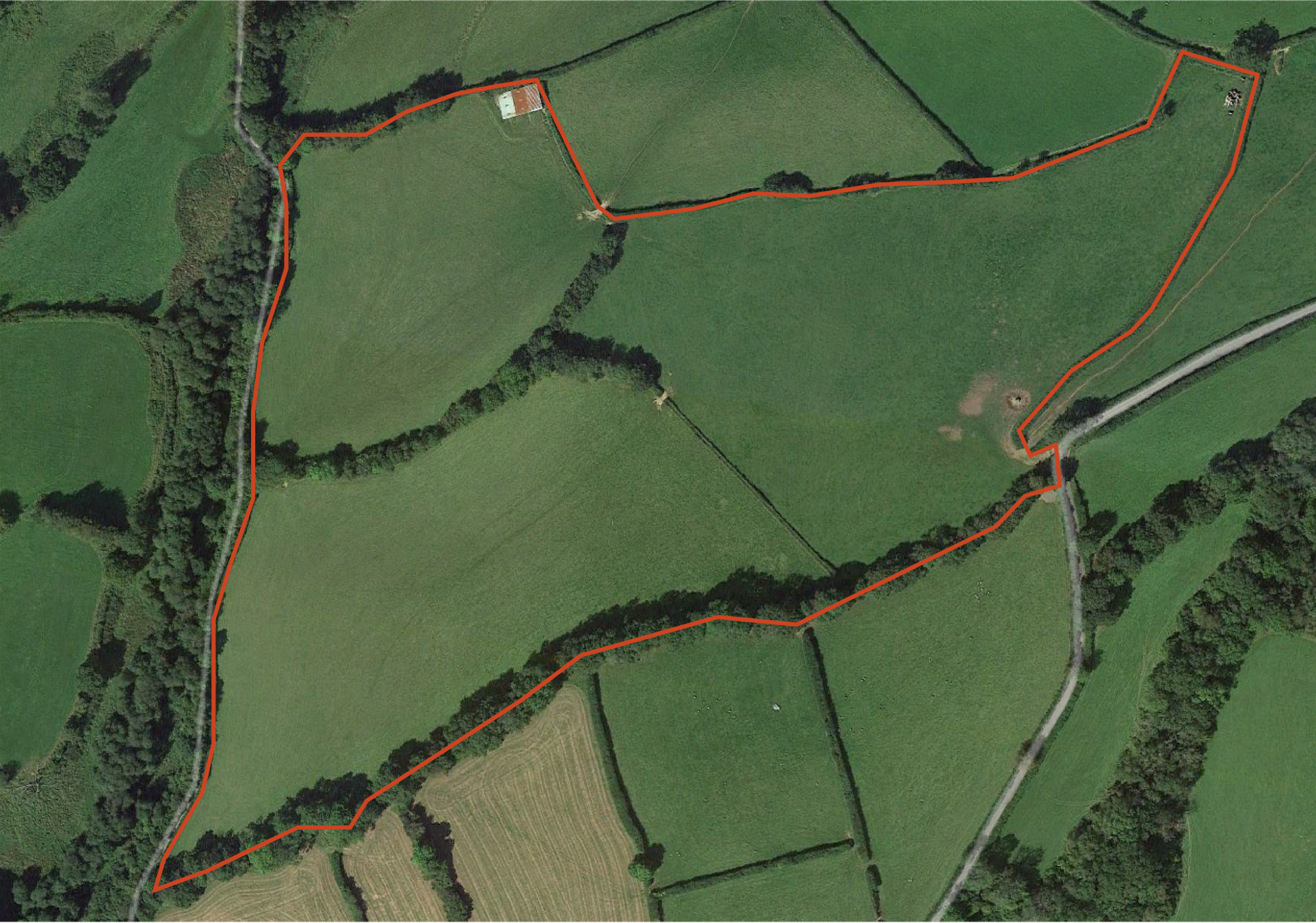
The platform operates within a single ownership boundary with uninterrupted source-to-exit monitoring continuity from the very beginning of the water journey through to the downstream pathway.
Fresh Start uses this operational environment to better understand how upstream agricultural landscapes may influence wider connected River Exe catchment resilience over time.
WHY THIS SITE MATTERS
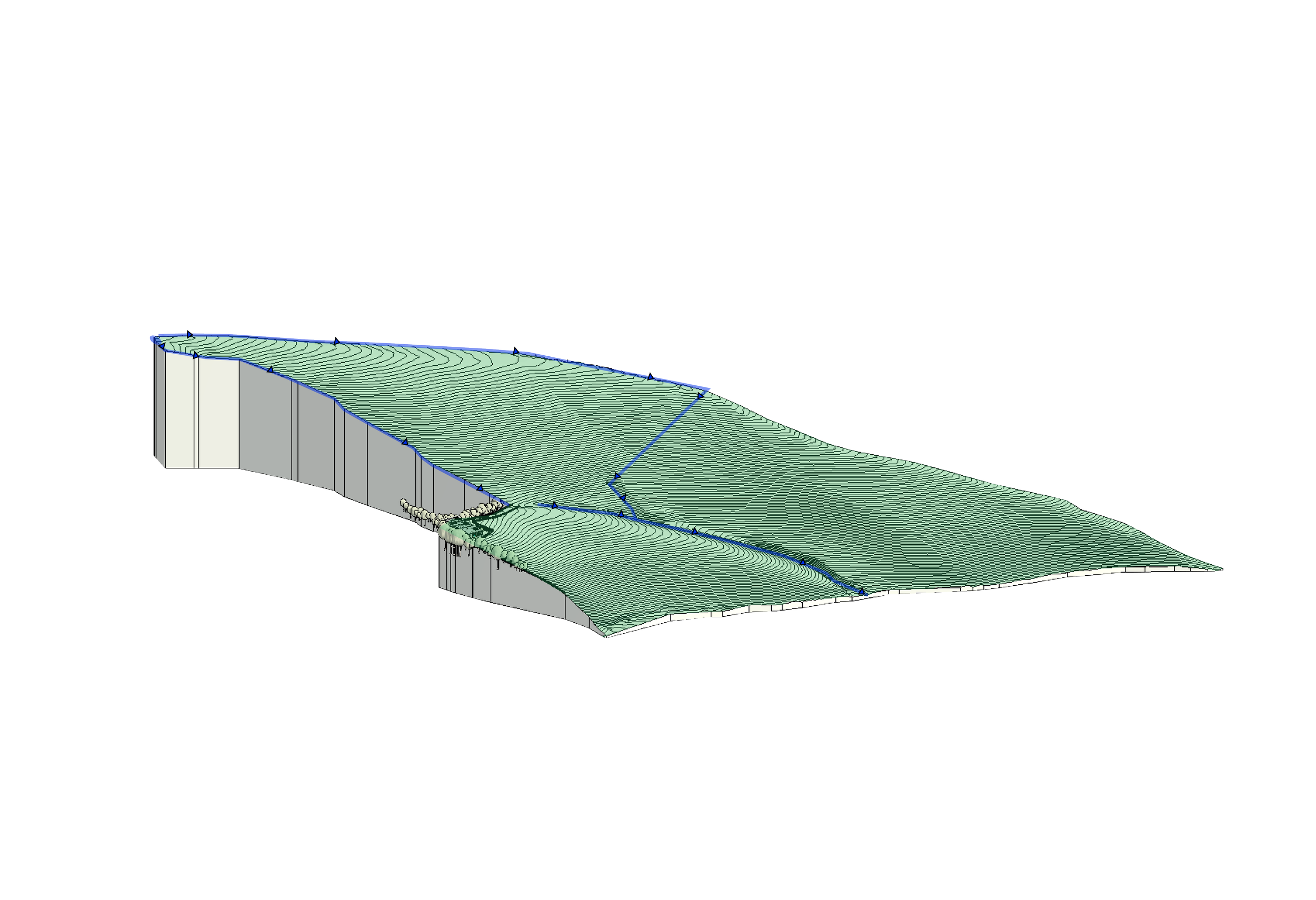
Fresh Start is centred on Wildwood Grove — a 29.08-acre spring-fed headwater landscape containing historic agricultural drainage systems originally designed to accelerate water movement away from the land.
Operating as a controlled source-to-exit monitoring environment, the platform enables hydrological behaviour to be observed before, during, and after staged Nature-Based Solution intervention.
The central premise is simple:
Many downstream water-system pressures originate upstream through the acceleration, concentration, and suppression of natural hydrological processes within agricultural landscapes.
Wildwood Grove provides a rare operational environment where:
• one spring-fed source,
• one monitored downstream pathway,
• one connected headwater system,
• and one continuous monitoring landscape
create reduced variables, lower operational complexity, and clearer measurable intervention response over time.
This is not a proposal to convert entire farming regions into wetlands.
Instead, Fresh Start explores whether targeted intervention within strategically important upstream agricultural fields may provide measurable hydrological, resilience, and water-quality benefits capable of informing wider catchment planning and operational decision-making.
The platform therefore acts as:
• a monitored upstream resilience environment,
• a practical Nature-Based Solutions observation platform,
• and a transparent operational participation system aligned with the future direction of integrated water-system management.
Importantly, the platform prioritises transparent evidence rather than predetermined outcomes.
The objective is not to claim certainty.
The objective is to generate measurable real-world operational intelligence around upstream resilience and preventative intervention through transparent longitudinal monitoring over time.
PLATFORM ROADMAP
Fresh Start is being developed as a long-term monitored participation environment operating within the River Exe Catchment.
Phase 1 — Baseline Monitoring (2026–2027)
Current Phase
Activities include:
• rainfall monitoring,
• runoff observation,
• flow monitoring,
• hydrological recording,
• telemetry deployment,
• environmental intelligence generation,
• and baseline reporting.
Objective:
Establish a transparent operational baseline before intervention.
Phase 2 — Intervention Observation (2027–2030)
Planned activities include:
• staged hydrological intervention,
• wetland re-expression,
• intervention monitoring,
• environmental response observation,
• and longitudinal performance tracking.
Objective:
Observe how targeted intervention influences source-to-tributary behaviour and wider catchment inputs.
Phase 3 — Evidence Generation & Learning
Activities include:
• longitudinal reporting,
• catchment intelligence generation,
• intervention assessment,
• resilience learning,
• and evidence sharing.
Objective:
Generate practical evidence around strategic headwater intervention within a real catchment environment.
Phase 4 — Wider Catchment Learning
Activities include:
• open monitoring,
• cross-sector participation,
• operational learning,
• catchment knowledge sharing,
• and replication assessment.
Objective:
Support wider understanding of how strategically targeted upstream intervention may contribute to integrated catchment management and long-term resilience.
Fresh Start exists to make this process observable, measurable, and open to participation.
PARTICIPATION ENVIRONMENTS
The platform is structured to support cross-sector participation within a monitored upstream operational environment aligned with the evolving direction of UK water-system resilience and integrated catchment management.
CURRENT PLATFORM STATUS
Fresh Start is currently operating within its Year 1 baseline and monitoring establishment phase within the River Exe catchment.
Current activity includes:
• rainfall observation,
• runoff monitoring,
• operational baseline development,
• telemetry planning,
• monitoring infrastructure setup,
• longitudinal environmental recording,
• and cross-sector participation development.
The objective of the current phase is to establish the operational monitoring backbone required to support:
• long-term resilience observation,
• upstream intervention visibility,
• environmental intelligence generation,
• and transparent longitudinal monitoring over time.
PARTICIPATION
To discuss:
• founding participation,
• operational alignment,
• monitoring collaboration,
• resilience participation,
• or cross-sector catchment coordination,
please contact:
Jamie Burns
Wildwood Grove
jamie@wildwoodgrove.co.uk