Nature-Based Catchment Recovery
Releasing Natural Function
Fresh Start begins with a simple operational principle:
Stop. Observe. Understand.
Before intervention begins, the system itself must first be understood.
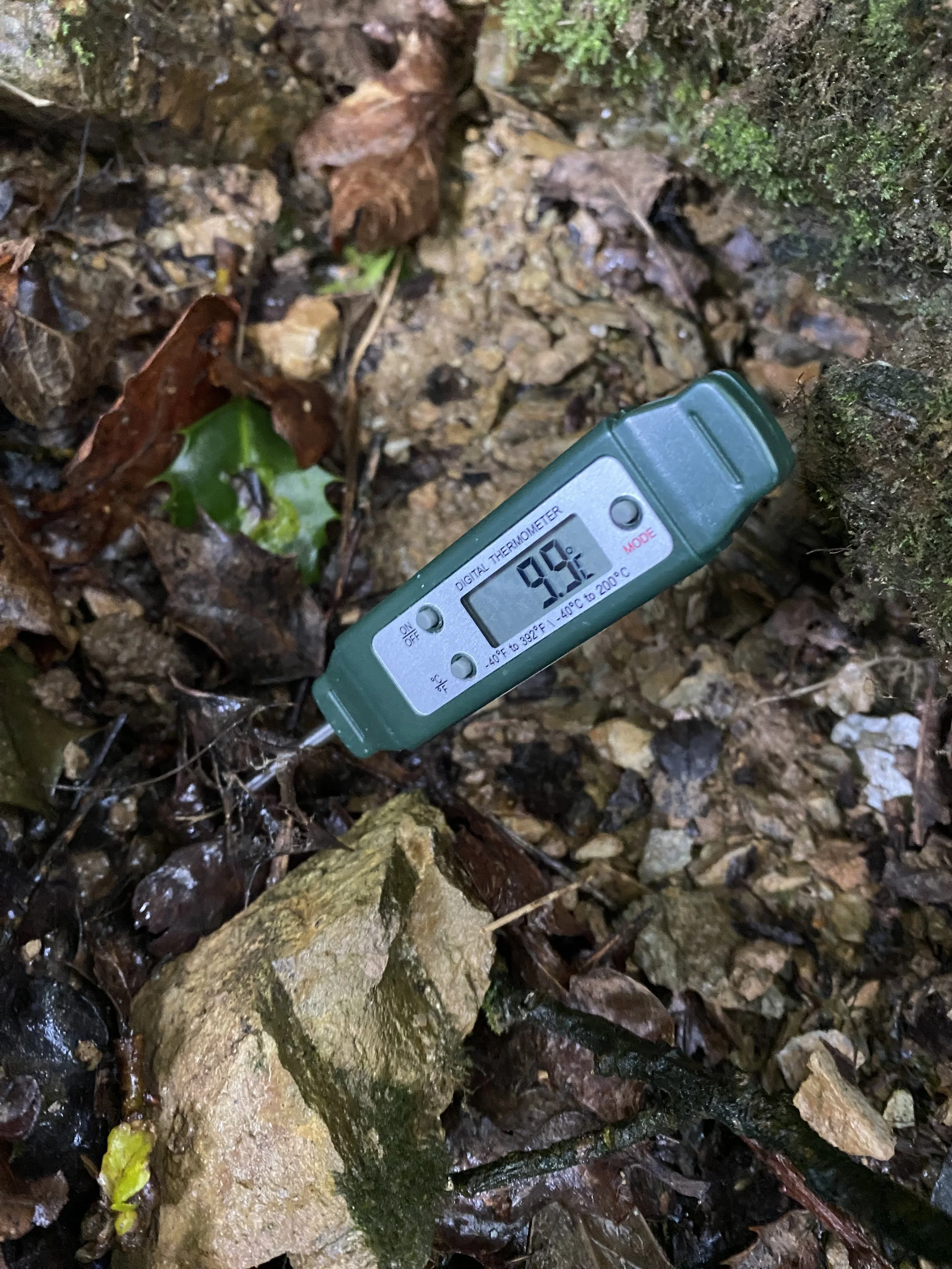
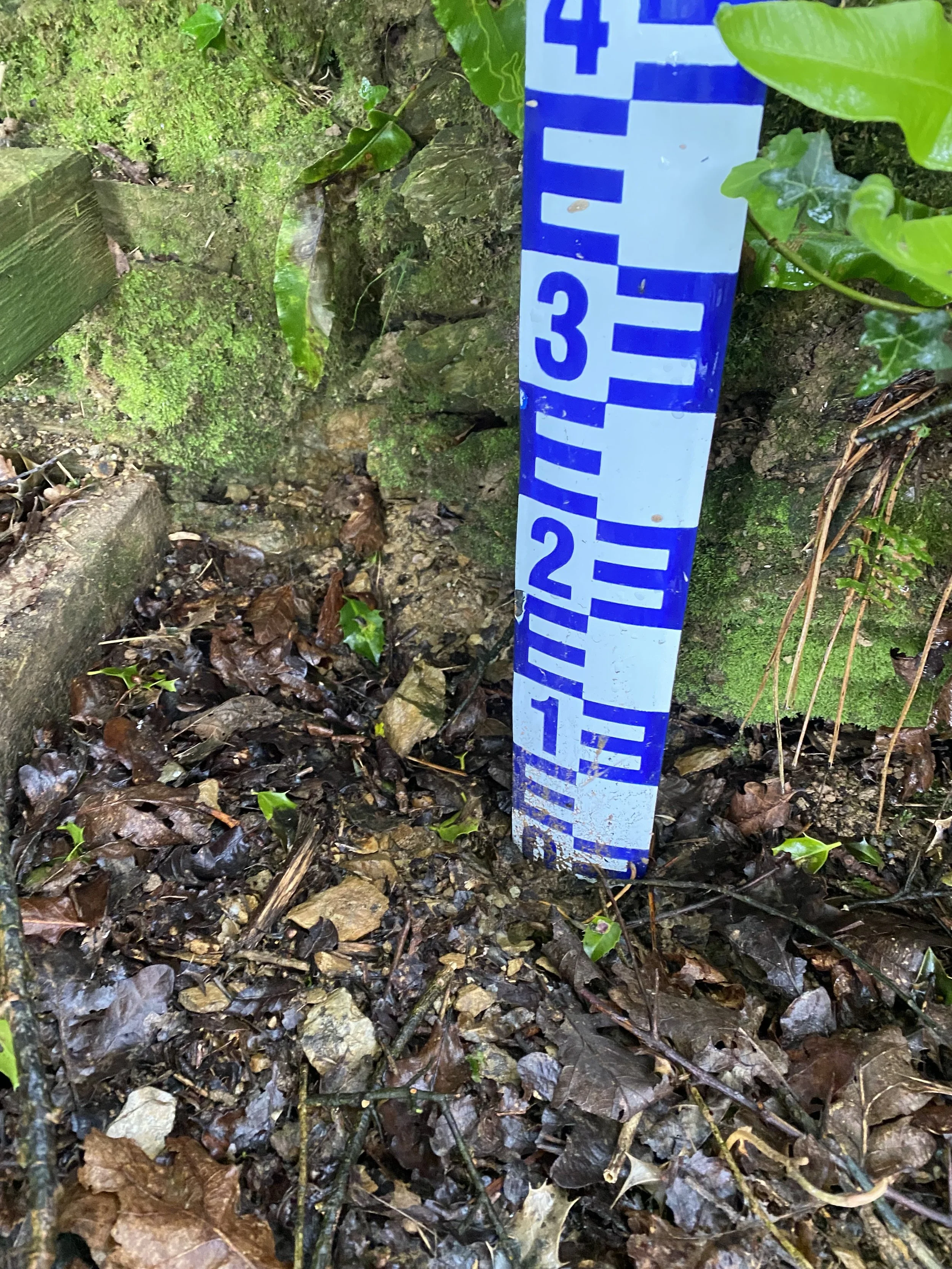
Fresh Start starts by establishing environmental baselines across the whole site and wider headwater system. Hydrology, ecology, geology, rainfall behaviour, habitat condition, drainage patterns, groundwater movement, and water behaviour are monitored to understand not only what exists, but how the system currently functions and how it may have functioned before agricultural intensification altered the landscape.
Monitoring is not a separate stage of Fresh Start.
Monitoring is the process itself.
The initiative is built around a continuous cycle of observation, interpretation, intervention, response, and adaptation. Every stage is designed to increase understanding before the next step is taken.
At the centre of the Fresh Start operational philosophy is the belief that:
The natural system is the blueprint.
Fresh Start does not begin by imposing a heavily engineered environmental design onto the landscape. Instead, it works from the understanding that functioning upland wetland systems already exist in nature and already demonstrate many of the outcomes modern water systems are now trying to achieve.
Healthy headwater systems naturally:
• slow the flow of water through the landscape
• support natural flood management
• contribute to water security and long-term resilience
• reduce sediment movement and diffuse contaminants
• contribute to improved water quality
• support biodiversity recovery and healthier ecosystems
• increase water retention and climate resilience
• reduce pressure on downstream systems
• and support healthier catchment function over time
Fresh Start therefore treats functioning natural systems as local reference models — working environmental blueprints that demonstrate how upland headwaters can operate when natural processes are allowed to function more freely.
A Gradual and Adaptive Restoration Model
Operationally, Fresh Start is a gradual, monitored, and adaptive process-led restoration model.
The sequence begins by reducing or removing the pressures created through agricultural intensification. Grazing pressure is reduced or removed, ecological response is observed, rainfall and water movement are monitored, and existing drainage systems are assessed to understand where natural hydrological processes are currently being intercepted, accelerated, or suppressed.
Intervention then takes place gradually and in stages.
Agricultural drains and ditches may be progressively relaxed or reversed to allow water to move more slowly and naturally through the landscape.
Wetland features such as:
• ponds
• scrapes
• bunds
• rush habitat
• wet grassland
• and wet woodland
may be introduced or restored to help retain, filter, store, and regulate water within the wider headwater system.
Each stage is monitored before further intervention occurs.
Fresh Start is not based on assuming what the system should become.
It is based on understanding how the system responds.
This adaptive management approach allows interventions to be guided by observed system behaviour, environmental monitoring, and measurable ecological and hydrological response over time.
Fresh Start therefore operates less as a conventional construction project and more as a monitored process of environmental release and functional recovery.
It is not simply wetland creation.
It is the staged restoration of a functioning spring-fed headwater system through monitored, resilience-focused, natural-process intervention.
At its core, Fresh Start explores how suppressed upland systems can be carefully guided back toward healthier ecological and hydrological function using evidence-backed Nature-Based Solutions and adaptive environmental management.
This is not about forcing nature into a design.
It is about releasing a natural system from the constraints that stopped it functioning properly in the first place.
And by doing so, Fresh Start aims to create a scalable operational framework for future catchment resilience, environmental recovery, and preventative upstream water management.