
Longitudinal Ecological Observatory
Defined Year Zero ecological transition platform secured under a 30-year conservation covenant, enabling independent longitudinal observation across hydrological, soil and biodiversity systems.
Site Context
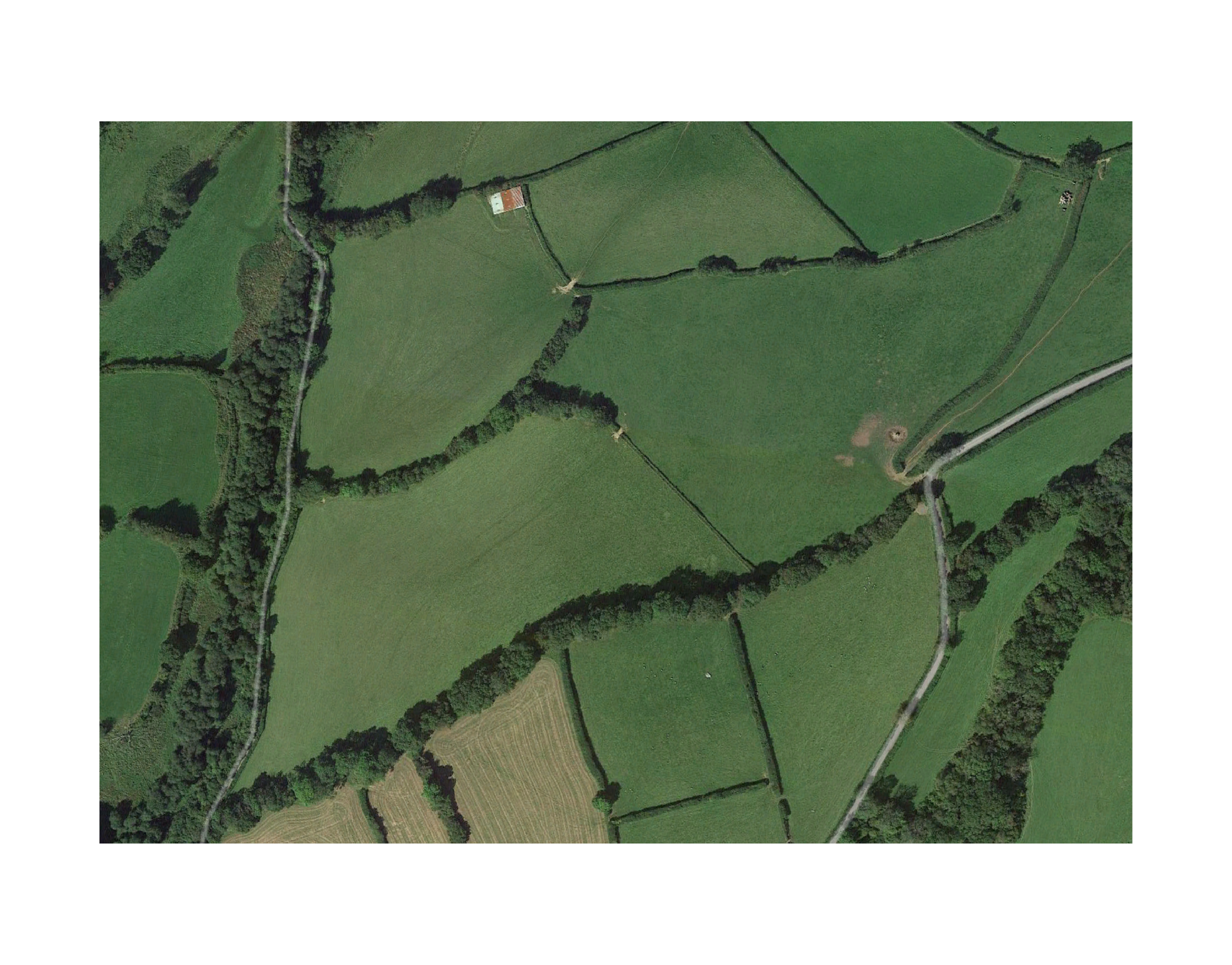
Wildwood Grove is a 29-acre headwater site near Dulverton within the Upper River Exe catchment.
The land exited agricultural management in November 2025 following long-term marginal pasture use with historic drainage modification.
Its position within a groundwater-influenced upland headwater system makes it suitable for observing post-agricultural hydrological and ecological transition processes.
Defined Year Zero
November 2025 formally marks Year Zero.
This represents:
• Cessation of grazing
• Termination of fertiliser inputs
• End of routine agricultural disturbance
• Baseline hydrological and soil condition prior to engineered intervention
Year Zero establishes a clean temporal anchor for longitudinal monitoring.
30-Year Governance Stability
The site is secured under a 30-year conservation covenant registered against title.
This provides:
• Long-term land-use continuity
• Ring-fenced ecological management funding
• Protection from short-term agricultural reversion
• Governance stability independent of ownership change
For longitudinal research, temporal stability is structural, not aspirational.
Process-Led Transition
The site is not being converted through a predefined habitat design.
Instead, transition is process-led.
This includes:
• Relaxation of historic drainage pressure where appropriate
• Re-expression of groundwater discharge zones
• Surface flow reconnection
• Emergent wetland and transitional mosaic development
Intervention is subordinate to observation.
Design follows evidence, not prescription.
Monitoring Domains
Longitudinal observation may include:
• Surface and groundwater behaviour
• Hydrochemistry
• Soil structure and carbon dynamics
• Vegetation succession
• Invertebrate and avian response
• Catchment response characteristics
Data continuity is prioritised over rapid outcome production.
Observatory Structure
Wildwood Grove functions as:
• A defined baseline start point
• A governance-secured landscape
• A multi-decade ecological transition site
• A controlled research access environment
The observatory is structured to support evidence-led work without predetermined ecological narratives.
Research Access
Access is governed through structured agreements.
• Data-sharing terms defined in advance
• Attribution and archival continuity retained
• No sponsor-directed ecological outcomes
• Independence preserved
Suitable themes include post-agricultural transition, headwater recovery, drainage relaxation effects and groundwater-led habitat expression.
Research Domains
Wildwood Grove supports structured longitudinal research across:
• Soil microbial succession and mycorrhizal dynamics
• Below-ground carbon allocation and compaction recovery
• Post-agricultural nutrient attenuation
• Hydrological buffering and infiltration response
• Wet grassland and riparian transition dynamics
• Acoustic, camera-trap and eDNA biodiversity monitoring
• Governance and natural capital stewardship models
Research focus evolves with baseline data.
The platform supports both ecological and socio-environmental study.
Collaboration & Access Pathways
The Observatory supports:
• Doctoral research (Years 0–5 baseline phase)
• Postdoctoral field programmes
• Institutional monitoring partnerships
• Applied catchment-scale research
• Hypothesis testing within stable land governance
Research engagement is structured through:
• Site access agreements
• Defined data-sharing principles
• Publication independence
• Covenant compatibility review
The land remains under private stewardship.
The platform provides continuity. Researchers integrate within it.
Research Enquiries
Researchers or institutions wishing to explore collaboration should contact:
info@wildwoodgrove.co.uk
Subject: Observatory Collaboration Enquiry
Please outline:
• Institutional affiliation
• Area of research interest
• Proposed timeframe
• Funding status (if applicable)
• Data or site access requirements
All enquiries are reviewed for governance compatibility, covenant alignment and long-term continuity.