Catchment & Policy Alignment

Operating Within a Wider Landscape System

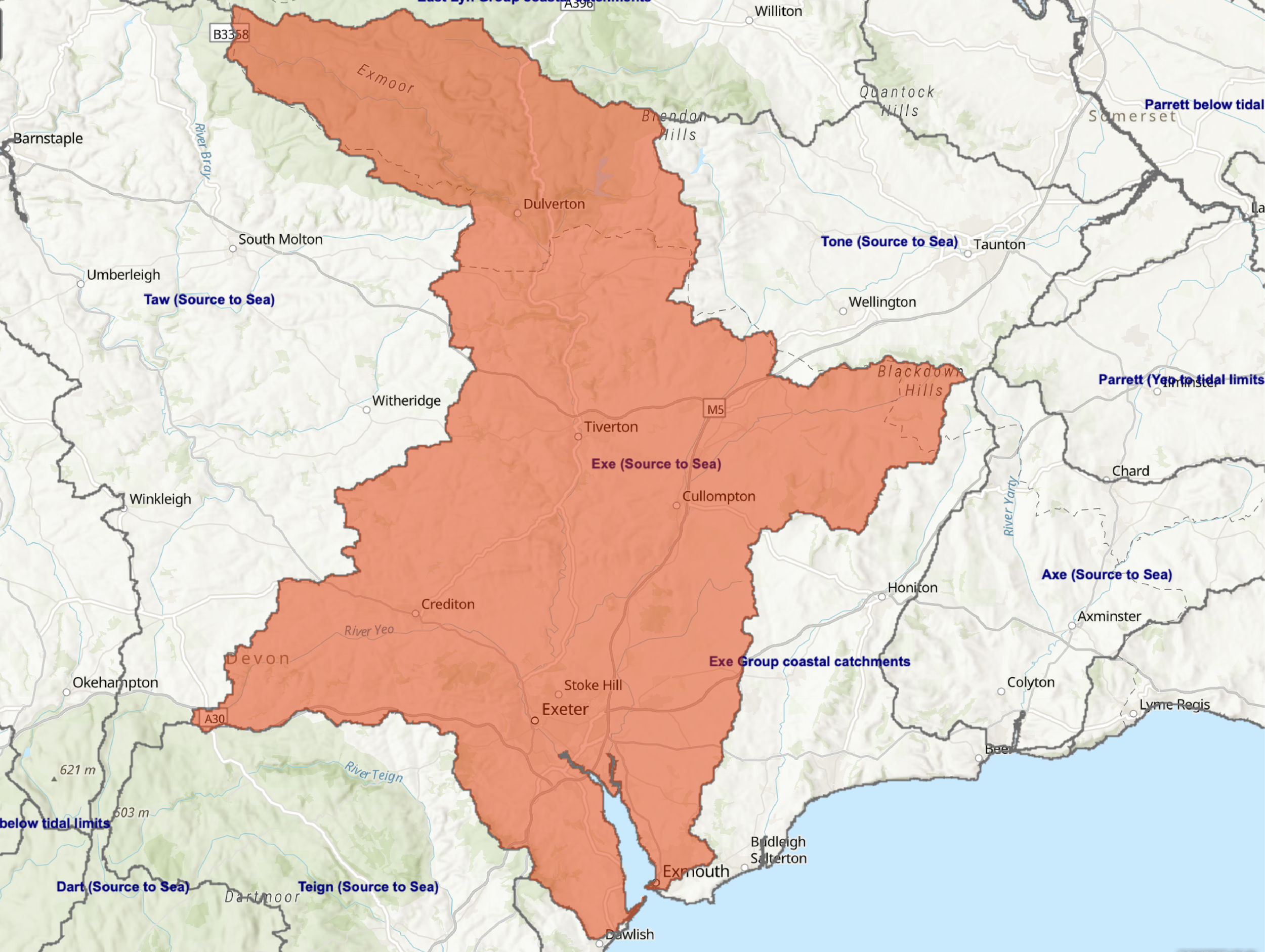
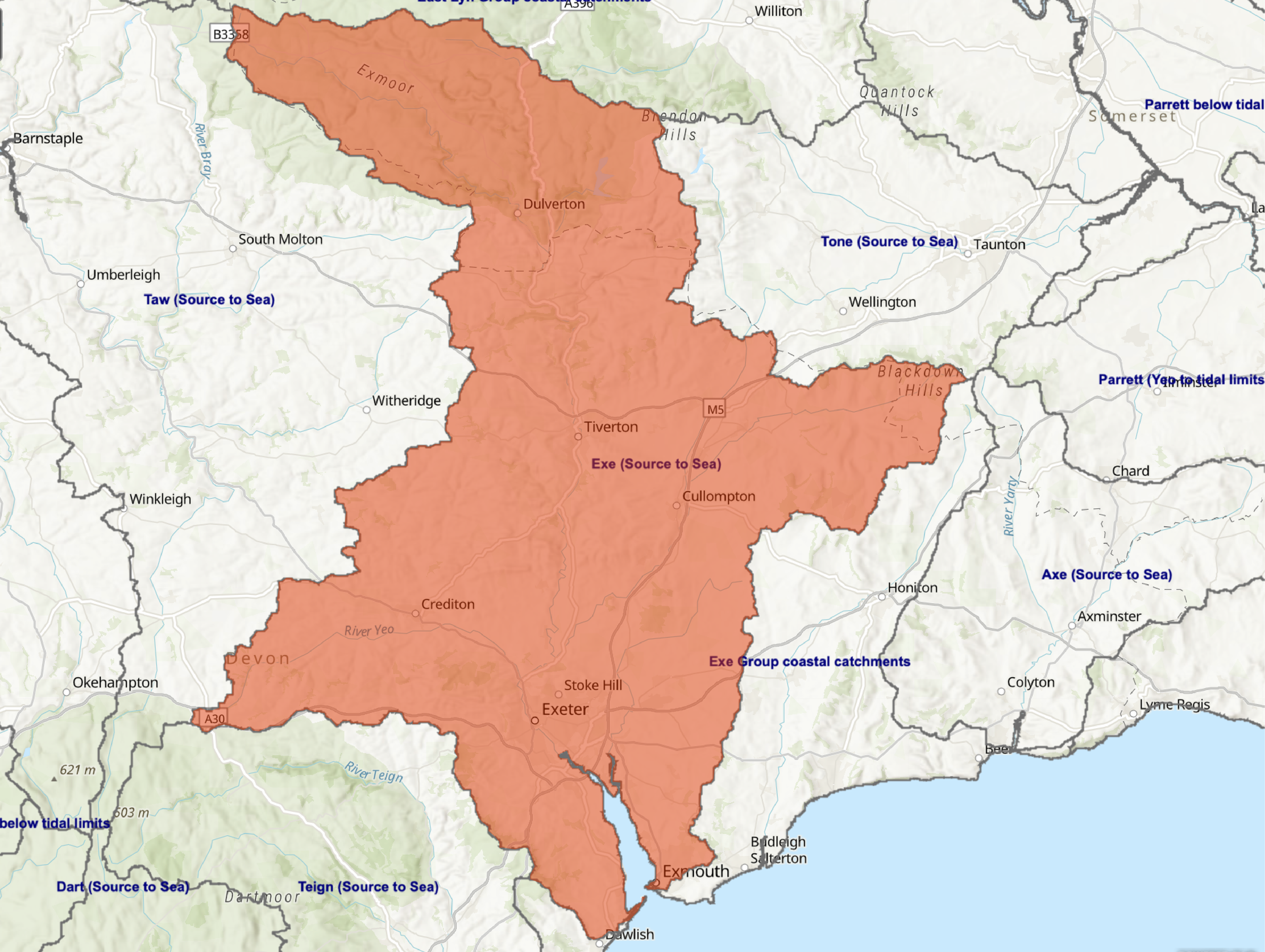
Wildwood Grove sits within the Upper River Exe catchment near Dulverton, Somerset.

The site forms part of a broader landscape influenced by water quality objectives, flood resilience considerations, biodiversity recovery priorities and agricultural transition frameworks.

Its ecological transition does not occur in isolation.

Catchment Context

The Upper Exe is characterised by:

• Headwater-fed tributary systems
• Groundwater influence
• Historic agricultural drainage
• Downstream water quality sensitivity

Land condition at headwater scale influences downstream systems over time.

Wildwood Grove is managed with awareness of this catchment position.

Operating Within Defined Environmental Priority Zones

Wildwood Grove sits within multiple overlapping Defra-identified priority contexts.

These include:

• Upper River Exe catchment
• Surface Water Drinking Water Safeguard Zone (River Exe)
• Groundwater vulnerability designation
• Water Framework Directive priority waterbody
• SSSI Impact Risk Zone context
• Less Favoured Area (upland agricultural marginality)
• Flood-sensitive headwater landscape

These are not abstract designations.

They indicate cumulative, system-level pressures associated with:

• Historic agricultural drainage
• Nutrient loading
• Soil compaction
• Sediment transport
• Headwater runoff dynamics

The site exists within a recognised regulatory and environmental pressure framework.

Drinking Water Safeguard Context

The River Exe is designated as a surface water drinking water source.

Upstream land condition directly influences:

• Raw water nutrient burden
• Pesticide and sediment loading
• Treatment cost and regulatory compliance risk

Post-agricultural transition at Wildwood Grove contributes to:

• Gradual nutrient attenuation
• Reduced sediment mobilisation
• Improved soil-water buffering capacity

This is not engineered mitigation.

It is pressure reduction through land-use transition.

Groundwater Vulnerability

The site lies within a groundwater-influenced system with recognised vulnerability sensitivity.

Agricultural inputs historically influence:

• Subsurface nutrient pathways
• Leaching risk
• Seasonal groundwater expression

Regeneration addresses this through:

• Removal of fertiliser input
• Reduced soil disturbance
• Gradual structural recovery
• Monitoring of soil-water interaction

Transition supports subsurface stabilisation over time.

Flood Sensitivity & Headwater Function

Small upland sites exert disproportionate influence on downstream flow behaviour.

Historic drainage networks accelerate runoff velocity and reduce infiltration.

Current regenerative measures include:

• Relaxation of artificial drainage where appropriate
• Increased soil permeability
• Re-expression of natural wetness
• Vegetation structural complexity

These changes support:

• Runoff moderation
• Increased landscape roughness
• Seasonal water retention

Flood resilience is approached as a cumulative landscape process.

Water Framework Directive Relevance

The Upper Exe waterbody is subject to ecological and chemical status targets.

Land-use transition contributes to:

• Improved sediment control
• Nutrient buffering
• Habitat connectivity
• Riparian corridor strengthening

Wildwood Grove does not operate as a scheme-led intervention site.

It functions as a governance-secured ecological transition node within a priority waterbody context.

Agricultural Transition Context

The site sits within an upland agricultural marginality classification (Less Favoured Area).

Historic economic pressure has driven:

• Drainage intensification
• Grazing pressure
• Habitat simplification

Withdrawal from marginal pasture use aligns with:

• National agricultural transition
• Biodiversity recovery objectives
• Natural capital frameworks

This shift is structural rather than reactive.

Priority Zone Response Framework

Wildwood Grove’s regenerative actions are structured to address identified pressures directly.

Surface Water Drinking Water Safeguard Zone
→ Drainage relaxation and riparian strengthening
→ Reduced nutrient and sediment transport risk

Groundwater Vulnerability Context
→ Removal of fertiliser input and reduced soil disturbance
→ Decreased subsurface leaching pressure

Flood-Sensitive Upland Landscape
→ Increased soil permeability and natural wetness expression
→ Moderated runoff velocity and improved infiltration

Water Framework Directive Priority Waterbody
→ Habitat mosaic diversification and riparian corridor enhancement
→ Improved sediment control and ecological connectivity

Less Favoured Agricultural Marginality
→ Managed agricultural withdrawal and long-term covenant stewardship
→ Structural land-use stability and habitat recovery potential

Alignment is therefore operational rather than declarative.

Water Quality & Nutrient Sensitivity

The River Exe system carries strategic importance for:

• Surface water quality
• Nutrient management
• Drinking water safeguarding
• Regulatory compliance under national frameworks

Regeneration is structured to reduce legacy agricultural pressure and allow gradual improvement in soil-water interactions.

No engineered compliance mechanism is imposed; change is process-led and monitored.

Flood Resilience & Natural Process

Small upland sites contribute cumulatively to downstream flood behaviour.

Transition at Wildwood Grove supports:

• Increased soil permeability
• Reduced surface runoff velocity
• Seasonal water storage through natural wetness expression
• Landscape roughness and structural diversity

These are outcomes of ecological recovery rather than engineered flood schemes.

Biodiversity Recovery Frameworks

The site operates within the context of national and regional biodiversity recovery strategies.

Long-term governance stability enables:

• Habitat succession
• Structural diversity development
• Connectivity contribution at landscape scale

Alignment is structural, not promotional.

Agricultural Transition

The withdrawal from marginal pasture use reflects a wider national shift in land management economics and environmental policy.

Wildwood Grove demonstrates:

• Managed agricultural exit
• Evidence-led regeneration
• Long-term covenant-backed stewardship

It operates within the evolving rural land-use framework rather than outside it.

Governance Compatibility

The 30-year conservation covenant ensures:

• Regulatory continuity
• Long-term land-use stability
• Compatibility with statutory environmental frameworks

Policy alignment is therefore embedded through governance structure, not retrospective adaptation.