

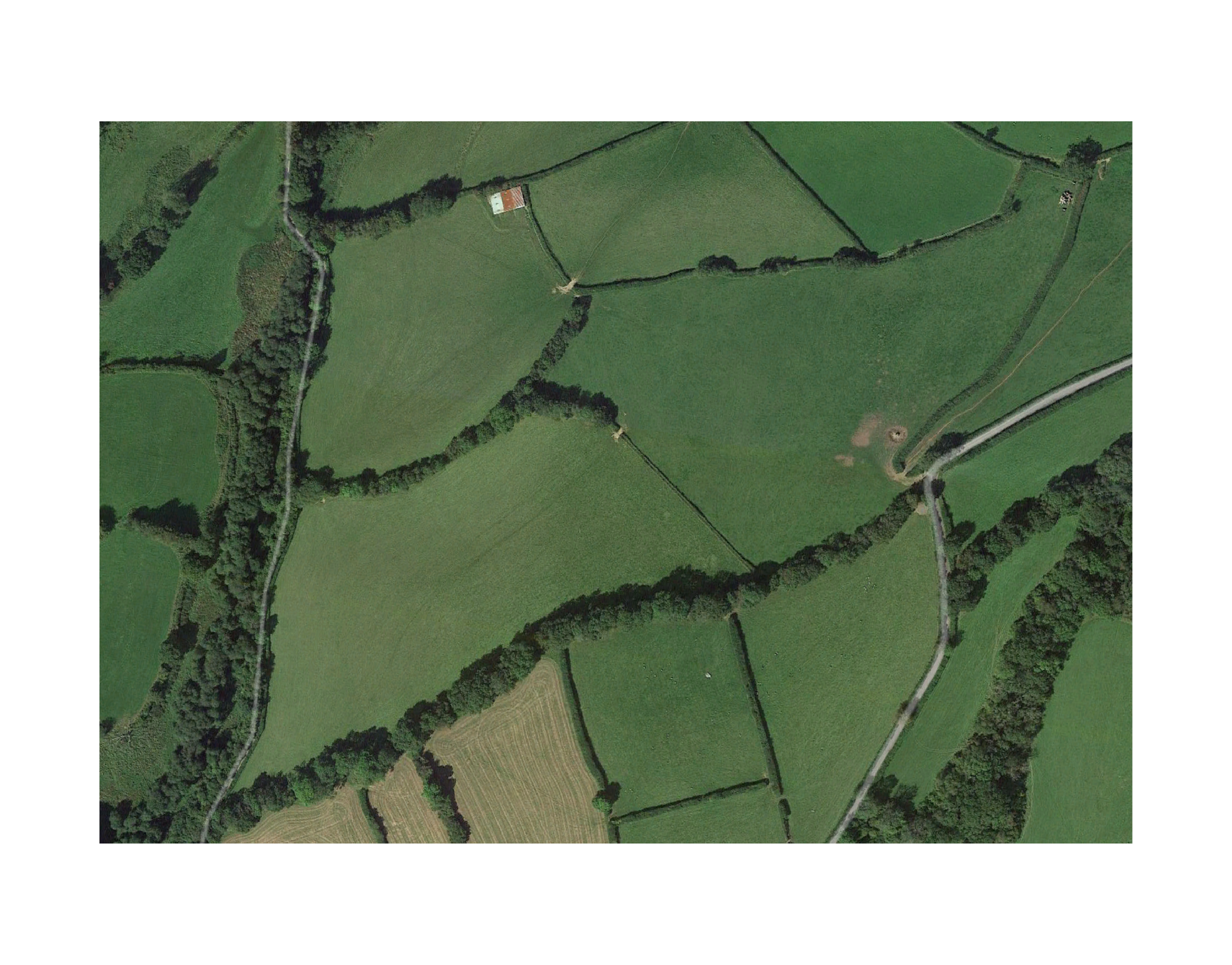
Hydrology-Led Restoration
Restoring Natural Processes
At Wildwood Grove, ecological restoration begins with water.
Rather than designing habitats artificially, the project focuses on understanding and restoring the natural hydrological processes that historically shaped the landscape. These processes include groundwater emergence, valley wetness patterns, natural drainage pathways, and the relationship between soils, topography and water movement.
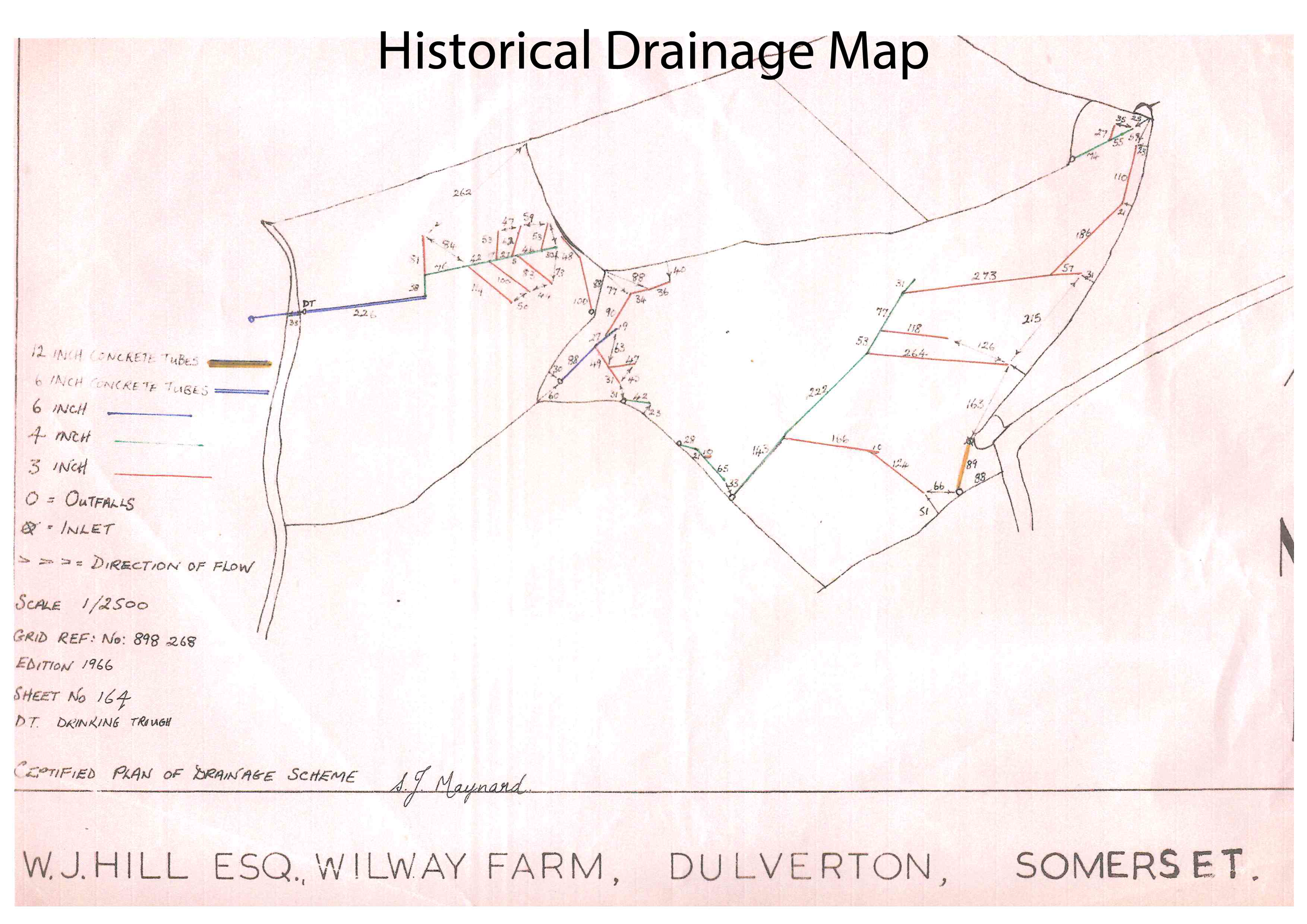
Across much of the British countryside, historic agricultural drainage has altered how water moves through headwater landscapes. Ditches, field drains and land management practices have often accelerated water movement, reducing natural wetland habitats and disconnecting groundwater systems from the wider landscape.
The restoration approach at Wildwood Grove therefore focuses on carefully understanding these historic alterations before any intervention takes place.
Understanding the Landscape First
The site entered an observation phase following agricultural exit in November 2025.
This period allows time to study how water behaves across the valley before any restoration work is undertaken. Observations so far indicate that the site functions as a spring-fed headwater system, with groundwater emerging in several locations across the upper valley.
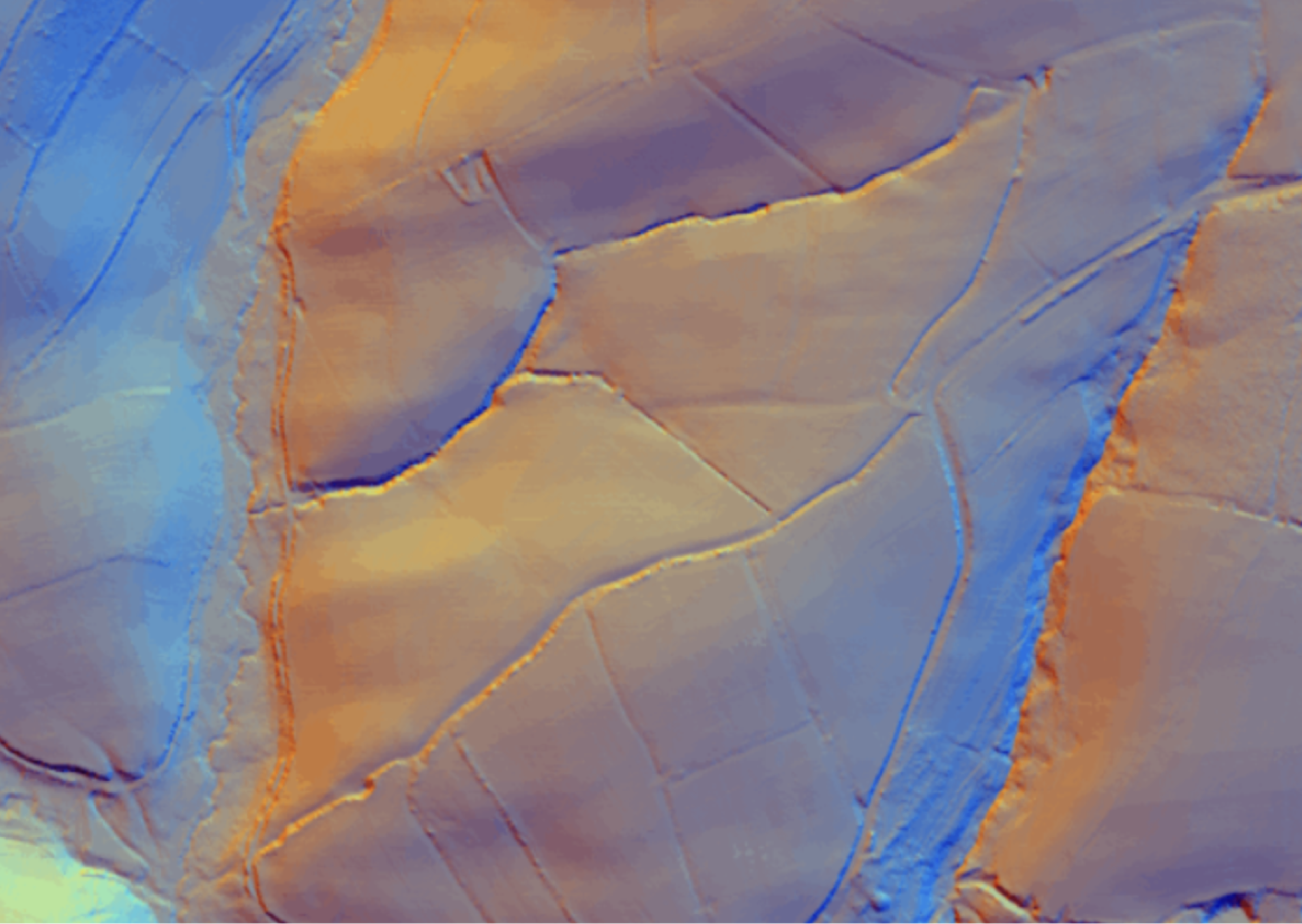
Historic mapping, LiDAR terrain analysis, and field observations suggest the landscape once supported a wet upland flush system characterised by groundwater springs, saturated valley floors and a naturally forming headwater channel.
Understanding this system provides the foundation for a restoration approach guided by natural processes rather than engineered design.
The Role of Groundwater Springs
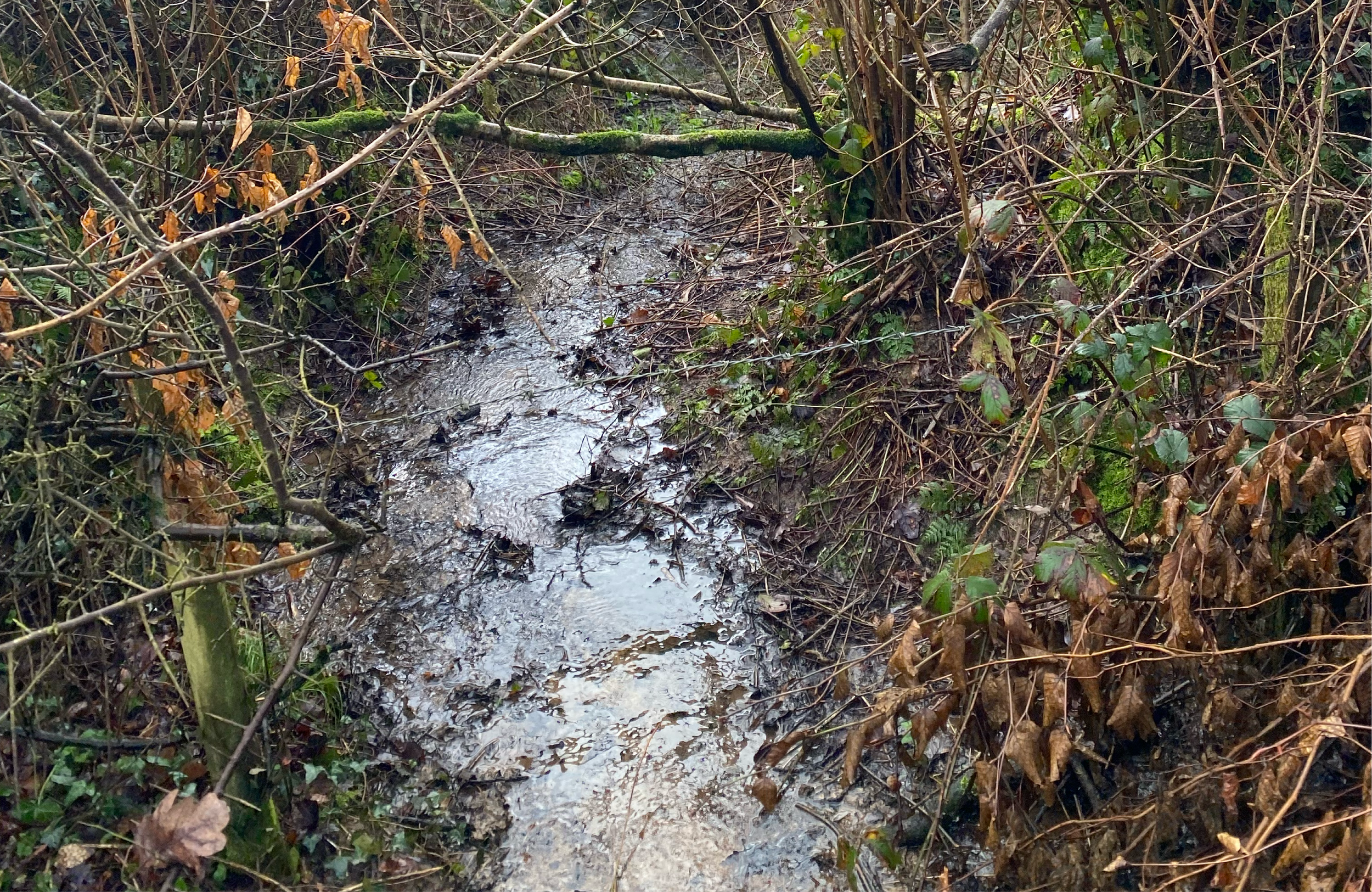
Groundwater springs appear to play a defining role in the hydrology of the site.
Historic Ordnance Survey mapping records multiple springs across the valley landscape surrounding Wildwood Grove. These spring locations align closely with areas where groundwater emergence is still observed today.
Rather than a single spring source, the valley appears to contain a small cluster of groundwater emergence points, suggesting a broader spring-fed system influencing the hydrology of the headwater corridor.
Where historic drainage has modified water movement, restoration will focus on carefully relaxing these systems so that groundwater and surface water can once again interact with the valley floor.
Restoring Natural Hydrological Processes
The goal of restoration is not to impose a predetermined habitat design.
Instead, interventions will focus on restoring the natural hydrological conditions that allow wetlands, wet woodland and riparian habitats to re-establish through ecological succession.
Potential restoration actions may include:
• selective relaxation of historic drainage systems
• reconnection of groundwater with valley wetland areas
• re-establishment of natural water retention across the valley floor
• supporting natural regeneration of wet woodland and wetland vegetation
By allowing water to shape the landscape once again, the site can develop a mosaic of habitats driven by natural processes.
Landscape-Scale Benefits
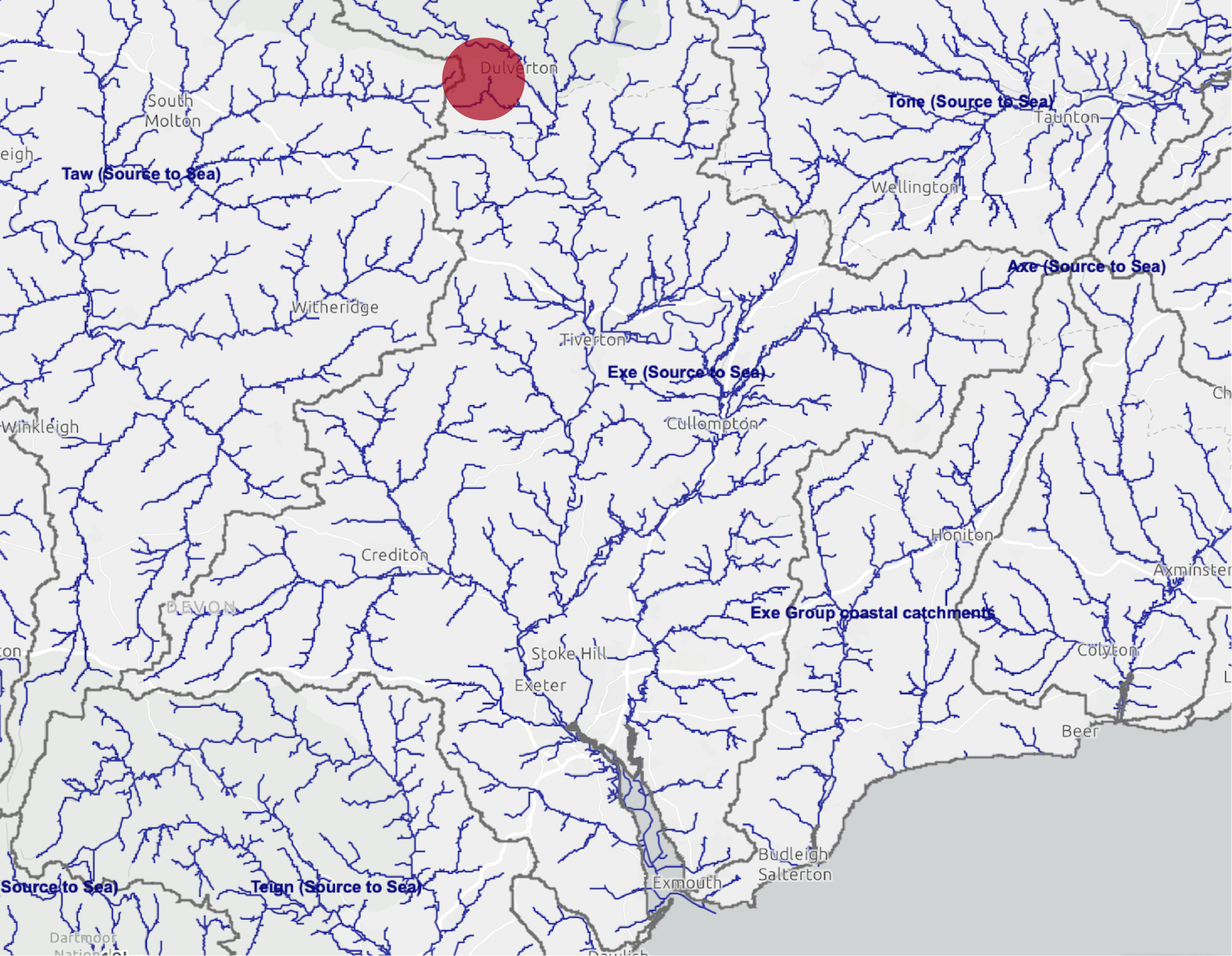
Although Wildwood Grove is modest in size, headwater landscapes can influence environmental conditions across much larger areas.
Healthy headwater systems help regulate water flow, reduce sediment transport, improve water quality and provide habitat connectivity for species moving through river catchments.
As part of the wider River Exe catchment, restoring natural hydrological function at Wildwood Grove has the potential to contribute to downstream ecological health while creating a resilient landscape capable of supporting biodiversity recovery.
Supporting Biodiversity Net Gain
The hydrology-led restoration approach also underpins the development of Wildwood Grove as a Biodiversity Net Gain landscape.
By restoring natural wetland processes rather than constructing artificial habitats, the project aims to create a resilient ecological system capable of delivering long-term habitat value under a secured conservation framework.
This process-led approach aligns ecological restoration with the principles of long-term land stewardship, ensuring that biodiversity gains are supported by functioning natural systems rather than short-term habitat creation.